In this article
The best restaurant marketing ideas come from normal operations: the room, the team, the prep and the beliefs already in the building. You don't need a festival tent or a new promotion. You need a subject library and a phone. This list gives you seven ideas, a map of the four pillars, and a two-capture checklist to run this week. It's built for owners and managers on the floor during service.
What are the best restaurant marketing ideas for a restaurant or bar?
The best ideas are subjects you already produce every shift. We organize them as the four visual content pillars: Place, People, Practice and Point of View. Each pillar is a subject library, so your feed carries no filler and you stop starting every post from nothing.
The one-page map
Here is the library for a restaurant, one subject per pillar.
| Pillar | What it covers | Restaurant subject |
|---|---|---|
| Place | The physical setting and what it feels like to be there | The room at 4:45 before doors |
| People | The humans behind the experience | The pass |
| Practice | Visible proof you take the work seriously | The prep list |
| Point of View | What you believe and who you're for | What the kitchen refuses to rush |
Pick one pillar per post. Line it up with one of the three signals (Trust, Care or Belonging), and think about where the guest is before a first visit or after it.
1. The room at 4:45 before doors
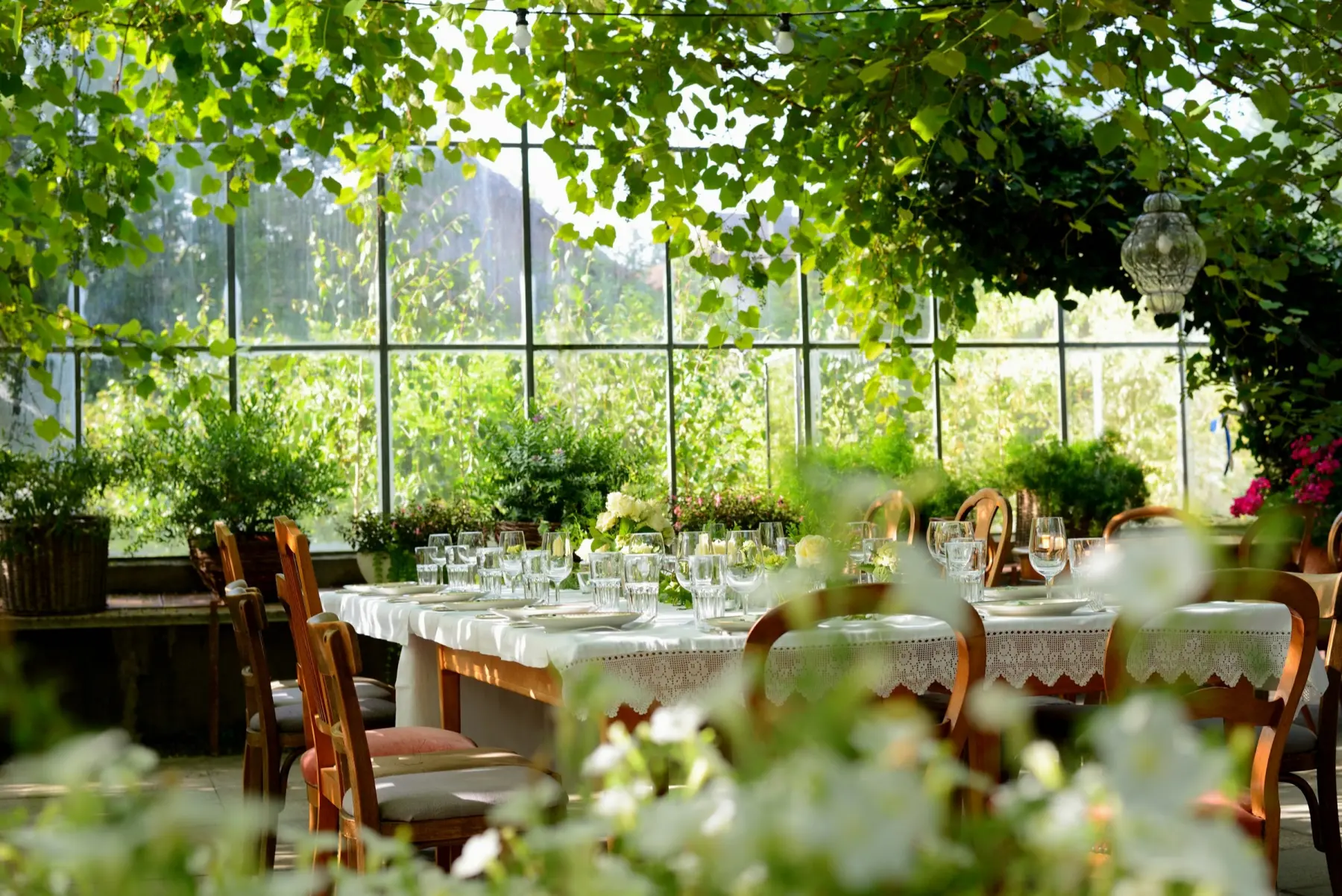
Staff meal is done, lights are set, chairs are square. Nobody outside has seen this version of your room. Film ten slow seconds from the door.
2. A quiet lull against a busy service
Shoot the same angle twice: mid-afternoon, then Friday at eight. Side by side, the pair tells a stranger what your room is like at both ends of the week.
3. The bar rail
The rail is where regulars sit and where a first-timer decides whether they belong. Capture the glassware, the lean of the stools and the bartender's reach to the well.
4. The pass
This is People. Plates go up, a hand takes them, a server calls the table. Show the handoff and you show who's behind the meal.
5. The prep list
This is Practice. A marked-up list taped to the walk-in door is visible proof that someone starts early and checks the work.
6. What the kitchen refuses to rush
This is Point of View. Name the thing your cooks won't hurry, and say it in plain words with the dish or the pot behind you.
7. How do you pick one idea to shape a month of posts?
The last idea gives the first six a direction. We cover it below.
How do you capture the room twice this week?
Capture the room once in a quiet lull and once during a busy service, both on a phone. That is the whole task. The two clips give you a pair that shows your restaurant at its slowest and its fullest, and both happen on shifts you're already working.
What should you capture to show a stranger your room?
The Place pillar is content that helps people feel your restaurant before they arrive. We call that pre-experience. It has four parts:
- Time: morning against night, weekday against weekend, rush against lull, one season against the next.
- Mood: lighting, sound, comfort, cleanliness and energy level.
- Details: textures, design choices and small touches that signal taste and care.
- Flow: how guests and staff move through entry, ordering, seating, service and exit.
The two-capture Place checklist
Capture one: the room ten minutes before doors open
- Time: note the hour on the clock or the light in the window.
- Mood: is the room still, warm, quiet? Let the sound of the room run for a few seconds.
- Details: one close shot of a set table, a candle, a menu, a rail.
- Flow: walk from the front door to a table and keep the phone rolling.
Capture two: the room mid-service
- Time: same angle as capture one, so the pair matches.
- Mood: full-room sound, servers moving, the energy at its peak.
- Details: a close shot of something in use: a half-poured pour, a plate arriving.
- Flow: follow a party from the host stand to their seats, or watch the pass empty.
When service is slammed, ask a manager or staff member not on the floor to grab a ten-second clip from the host stand or bar end. Capture first, caption later. Rather not set this up alone? Book a free 30-minute call and we'll map it with you.
Why do Place posts send Trust and Belonging?
Place posts mostly send Trust and Belonging. Trust comes from seeing the room as it is, with real light and real noise. Belonging comes from the second thought a stranger has: I can see this place, and I can see myself there. That's the goal of every Place post.
A table-for-two couple, a group of four after work and a solo diner at the bar each look for a seat in the frame. A lull clip says you can come in quietly. A busy clip says people choose this room. Together they make the next visit easier to imagine.
What makes a good monthly idea for social media?
The monthly core idea means picking one plain sentence you're willing to stand on for a month, then building the rest from it. It comes from what guests already thank you for, ask about or notice. For restaurants, regulars usually hand it to you: the pace or the greeting.
A good core idea is clear, useful or meaningful, and relevant beyond a single day. Write it as one sentence. Then every capture that month, room, pass, prep list, gets a direction.
A worked example (illustration)
Say regulars keep thanking the team for how unhurried the meal feels, even on a full night. The monthly core idea might read: "Nobody here is ever rushed."
This example shows what it does to the pillars: Watch what it does to the pillars:
- Place: the full room, still calm.
- People: the server who greets every table within a minute of seating.
- Practice: the prep that makes an easy pace possible.
- Point of View: the course the kitchen refuses to hurry.
The idea also has a core post, a longer piece that explains it: a long caption with photos, a short video, or a page on your website. One or two a month is enough.
How do you turn one idea into a month of posts?
This fixes two clips and one sentence. It leaves open who captures next week, what People, Practice and Point of View look like as finished posts, where the assets live, and when posts go out in a slammed month.
The Custom Build rebuilds those pieces around your restaurant: your guests, your seasons, your voice, and a launch plan for the first month. After that, the effort is short weekly planning plus capture during normal shifts. If you'd rather have the work installed for you and handed off, we build that as the System Install.
For more subjects to capture, browse our content ideas library, or see more guides on the restaurants and bars page.
This week: Monday or Tuesday, capture the room at 4:45. Friday, capture it again at full tilt.
Keep reading
 Restaurant social media marketing works when your profile answers a stranger in seconds and your posts keep a rhythm you can hold in your busiest month. Here is how to set it up.
 Name one capture person per shift and take one real moment before doors, during the rush and after close. A restaurant guide to usable posts from the pass, the rail and the bar.
 A restaurant social media agency alternative starts with naming what you pay: time, speed or ownership. Name which one you are paying: time, speed or ownership.